Ebook Programmed Inequality (History of Computing): How Britain Discarded Women Technologists and Lost Its Edge in Computing, by Marie Hicks
Les avantages que vous pouvez gagner de l'examen type de Programmed Inequality (History Of Computing): How Britain Discarded Women Technologists And Lost Its Edge In Computing, By Marie Hicks seront à certains égards. Localisez ce livre comme produit de lecture choisi que vous vraiment l'intention de le faire. Après avoir essayé de trouver des magasins et ne sont pas situés celui-ci est maintenant votre meilleur moment pour l'obtenir. Vous l'avez localisé. Cette publication de documents doux exhortera vous vérifier la pratique de croître plus rapidement. Il est parce que les données souples peuvent être lues facilement dans tout moment que vous avez l'intention de vérifier et ont hâte.
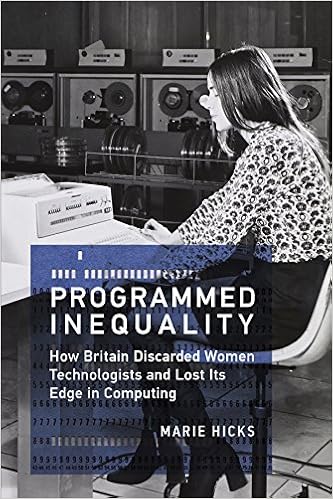
Programmed Inequality (History of Computing): How Britain Discarded Women Technologists and Lost Its Edge in Computing, by Marie Hicks

Ebook Programmed Inequality (History of Computing): How Britain Discarded Women Technologists and Lost Its Edge in Computing, by Marie Hicks
nous inclure d'examiner un nouveau livre qui vient ces derniers temps. Oui, c'est une nouvelle publication à venir que beaucoup de gens souhaitent vraiment lire vous être juste l'un d'eux? Certes, vous devriez être. Il ne sera pas vous faire sentir vraiment si difficile de profiter de votre vie. Même certaines personnes pensent que la lecture est un difficile à faire, vous devez être sûr que vous pouvez le faire. Dur sera certainement sentir vraiment quand vous avez pas de suggestions sur exactement quel type de livre pour examen. Ou, dans certains cas, votre matériel de lecture ne suffit pas fascinant.
Voici le livre qui va certainement vous encourager à investir plusieurs fois pour faire bien meilleure de l'information et la compréhension aussi un lien vers toutes les personnes sur la planète. Un des livres qui a récemment été effectivement libérée est Programmed Inequality (History Of Computing): How Britain Discarded Women Technologists And Lost Its Edge In Computing, By Marie Hicks C'est le type de publication qui finira par être un nouveau moyen aux particuliers est amené à passer en revue une publication. Cette publication a tendance à être le moyen pour vous lier à d'autres une des personnes qui ont même passe-temps, la lecture de ce livre.
La lecture Programmed Inequality (History Of Computing): How Britain Discarded Women Technologists And Lost Its Edge In Computing, By Marie Hicks offrira beaucoup plus d'avantages qui peuvent en général sur les autres ou ne peuvent pas être trouvés dans d'autres. Une publication est une qui est très important pour maintenir la règle dans cette vie. Livre fournira et un lien vous exactement ce que vous avez besoin et aussi remplir. Réserve sera certainement aussi vous informer au sujet exactement ce que vous savez ou ce que vous ne connaissez pas encore fait.
Intéressé par ce livre est incontournable. Vous pourriez être d'autres personnes qui ont besoin des détails et de nouvelles concernant le sujet qui ont été écrits dans cette publication. La question Programmed Inequality (History Of Computing): How Britain Discarded Women Technologists And Lost Its Edge In Computing, By Marie Hicks en ce qui concerne le sujet intriguant concernant le problème aujourd'hui. Lorsque vous avez choisi d'acheter cette publication, vous pouvez voir le lien ici. Il vous directement concerner pour obtenir Guide comme le vôtre. Et aussi le fichier mou est exactement ce que vous pouvez fournir. Nous allons obtenir guide ainsi que l'examen il actuellement.
Détails sur le produit
Broché: 352 pages
Editeur : MIT Press; Édition : Reprint (16 février 2018)
Collection : History of Computing
Langue : Anglais
ISBN-10: 0262535181
ISBN-13: 978-0262535182
Dimensions du produit:
15,2 x 1,8 x 22,9 cm
Moyenne des commentaires client :
Soyez la première personne à écrire un commentaire sur cet article
Classement des meilleures ventes d'Amazon:
334.355 en Livres (Voir les 100 premiers en Livres)
I highly recommend Programmed Inequality; it is essential reading for anyone who wants to understand the forces that have shaped the contemporary STEM labor market. The book analyzes the history of computing in 20th-century England to demonstrate how labor history and gender history are inseparable, and to argue that structural gender bias ultimately hobbled British technological development. It is worth emphasizing the Programmed Inequality was written by a professional historian; they have been trained to carefully examine and weigh the evidence provided by primary source materials (such as newsletters, government documents, employment records) creating during the historical period being studied *and* to interpret that evidence in light of what other histories, historians, journalists, and other authors have written about the subject.Programmed Inequality is interesting, clearly written, and thoroughly researched. Hicks employs evidence from the British Library, the London Metropolitan Archives, and the National Archives (plus other archives), as well as from interviews, government reports, computing manuals, and abundant non-archival sources to show how - and why - British computing became male-identified. Hicks demonstrates how women’s contributions to British technology were devalued and minimized over time, in parallel with how the British government struggled to usher in a promised technological revolution to improve British society.Chapter One, focused on World War II, shows “why the women who worked with the world’s first digital, electronic, programmable computers had a critical, material impact on the outcome of the war†(13). Chapter Two traces how “women’s technical abilities dropped in value†after the war (13). Then, “in 1964, Prime Minister Harold Wilson initiated a ‘white-hot’ technological revolution meant to burn up inequalities within British society as it modernized the country†(14). That “White Heat†effort produced job opportunities for men and women, but only briefly, as chronicled in Chapter Three. Chapter Four explains how recruitment efforts soon focused on “career-minded, management-aspirant young men†while “high-level jobs were thought to be inappropriate for women†(14). Chapter Five shows the effects of this gendered, targeted recruiting: because “the government neglected most of its trained technical workforce†- who were women - and struggled to find the “ideal technocrat†candidates - deemed to be men, “these new hiring standards had the effect of draining training budgets and exacerbating labor shortages†(15). Hicks’ compelling conclusion applies this cautionary tale for high-technology workforces today.
If you've heard the fuss over women in tech, but you're still not quite sure where it's coming from, this is a great book for you. If you're an ally to the women in tech movement, but want to understand it better, this is a great book for you. Even as a woman in tech, sometimes I wonder, "is all this really necessary? Why are people so passionate about this?" This book lays out the history clearly. Through understanding the history of the rise of technology and women's role in it, it becomes obvious why "women in tech" is such a big deal.Right on the cover, Hicks makes it obvious that women in tech have business value, and that this book outlines what happens when they are not valued. It is a cautionary tale. An eye opening history. I think that everyone can benefit from the history in this book.
I checked this book out from the library because it sounded interesting. I was just one chapter into it when I decided I had to own it. I rarely purchase books but this one is definitely a keeper. It's a dense book, full of rich information, but is not difficult to read. It's obviously very well researched and the author does a excellent job conveying details. Highly recommended!
Incredible.
Thoughtful history that completely re-writes the narrative that tech is a male domain by looking at the stories of those who worked in the expansion of post-WWW11 computing in the UK. A must read for people who want to understand the relationship between culture and workplaces or want to understand gender and technology. Engaging, interesting and insightful!
Programmed Inequality (History of Computing): How Britain Discarded Women Technologists and Lost Its Edge in Computing, by Marie Hicks PDF
Programmed Inequality (History of Computing): How Britain Discarded Women Technologists and Lost Its Edge in Computing, by Marie Hicks EPub
Programmed Inequality (History of Computing): How Britain Discarded Women Technologists and Lost Its Edge in Computing, by Marie Hicks Doc
Programmed Inequality (History of Computing): How Britain Discarded Women Technologists and Lost Its Edge in Computing, by Marie Hicks iBooks
Programmed Inequality (History of Computing): How Britain Discarded Women Technologists and Lost Its Edge in Computing, by Marie Hicks rtf
Programmed Inequality (History of Computing): How Britain Discarded Women Technologists and Lost Its Edge in Computing, by Marie Hicks Mobipocket
Programmed Inequality (History of Computing): How Britain Discarded Women Technologists and Lost Its Edge in Computing, by Marie Hicks Kindle
Post a Comment